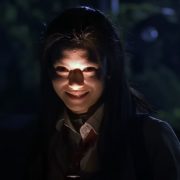
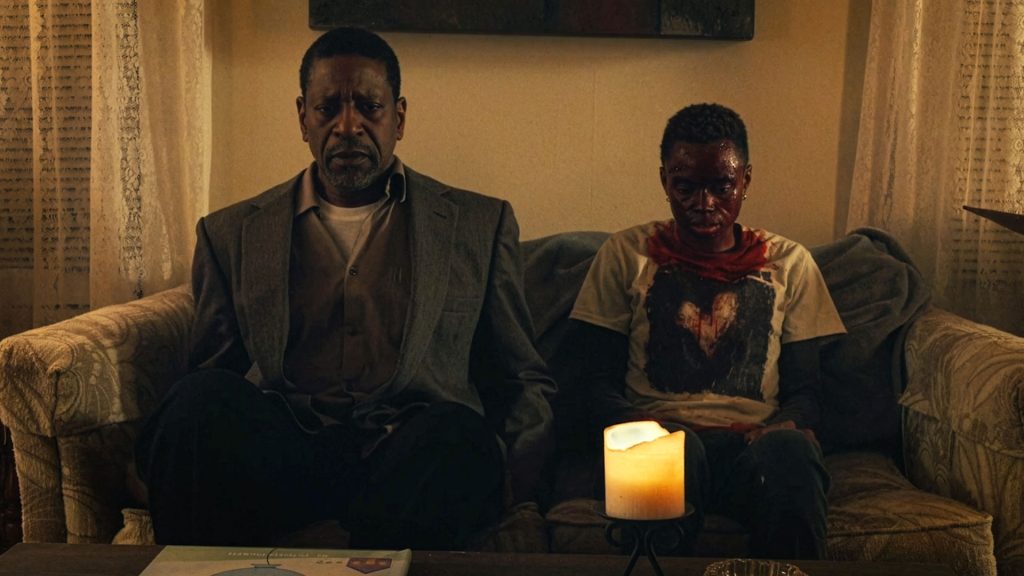

Ozzie Gray video documents her investigation into the traumatic events from her early childhood, which involved her late grandmother, Dorothy Bell.
We can all agree that a lot of us have gone through traumatic experiences relating to family. Some of us have different ways of living with trauma, whether it’s outright ignoring it, addressing it on a surface level, or diving into it head-on. The healing journey comes with uncovering truths, and the path is never easy. Now, imagine if understanding your past also required confronting supernatural events. Would you continue to walk that path? This is what “What Happened to Dorothy Bell?” is about.
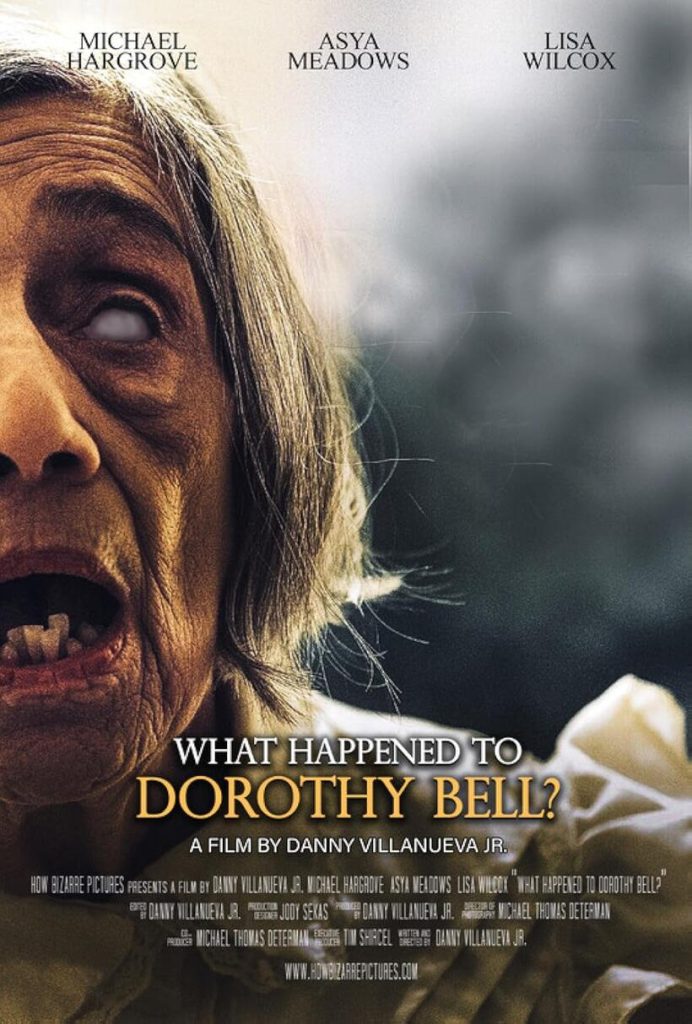
What Happened to Dorothy Bell? is a found footage supernatural horror movie directed and written by Danny Villanueva Jr. This film made its rounds at various film festivals, and Danny was kind enough to provide me with a screener. The film follows Ozzie’s (Asya Meadows) mental health journey as she documents her struggles to understand her past while uncovering the mysterious life and death of her grandmother, Dorothy Bell (Arlene Arnone Bibbs).
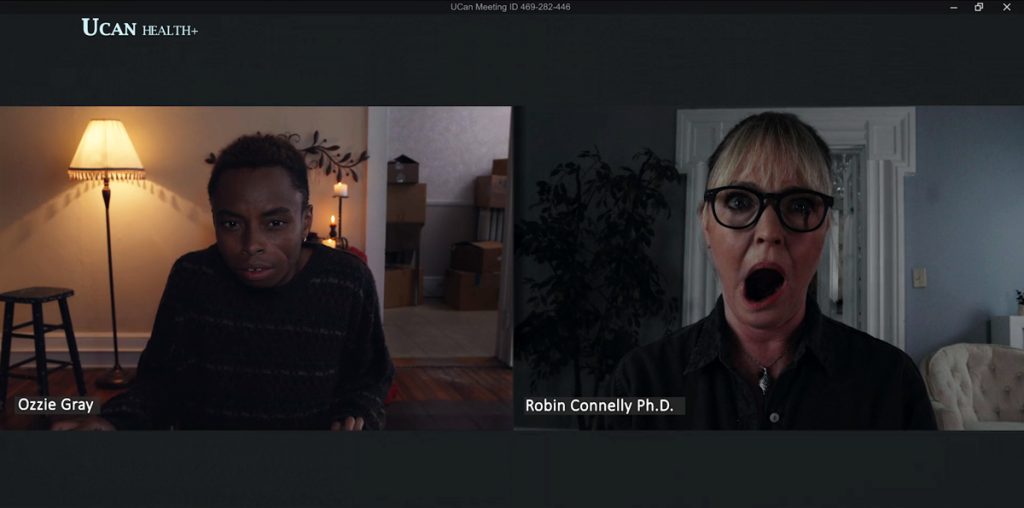
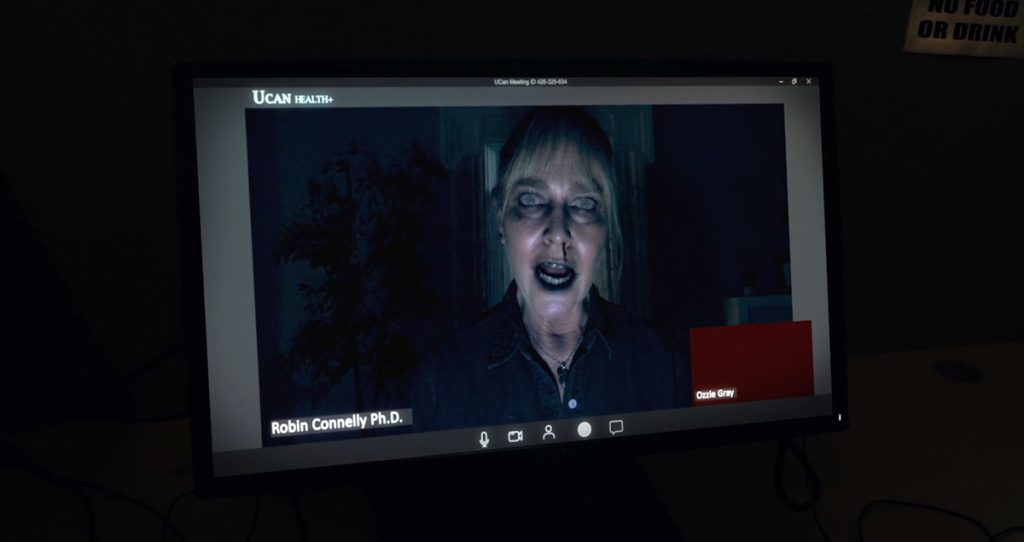
One of the strengths of this film is the slow buildup. It gives us ample time to understand who Ozzie is, her family’s troubling past, and how the past affects the present. As the viewer, we peer into her world through VHS tapes, telehealth video chat therapy sessions, detective footage, and the camera she uses for vlogging. Each style is different, which I found unique, as most found footage films tend to adhere to a single format. This fluidity kept me more engaged.
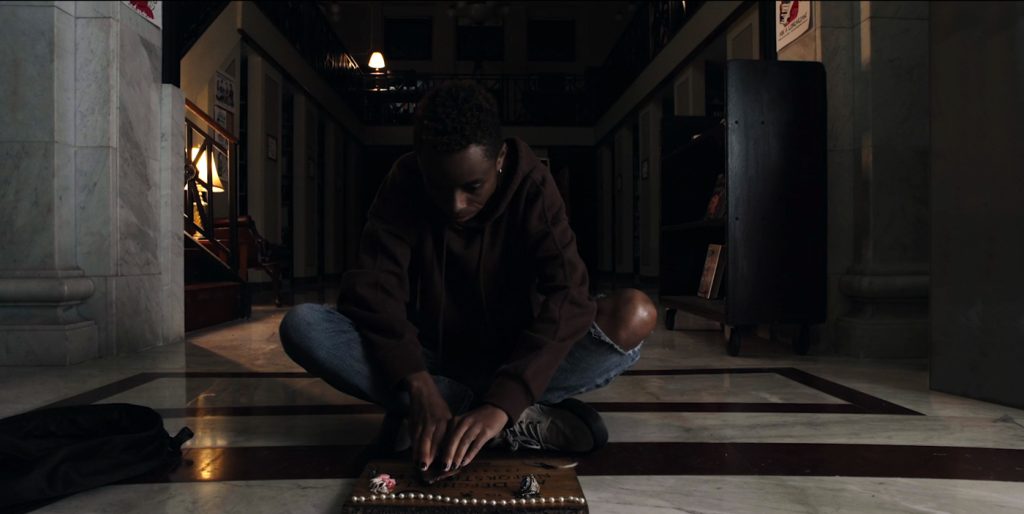
As an adult, Ozzie finds out that her grandmother was accused of being a witch. And there are claims that her ghost haunts the library where she committed suicide. There is even a documentation of her so-called apparition. This presents Ozzie with the option to either keep digging deeper for answers or take it as a warning to let things be. As with all horror movies, we know the protagonist always chooses the arduous journey.
Generational trauma is the focal point of the story. Besides her therapist, Robin (Lisa Wilcox), it appears that Ozzie lacks a strong emotional support system. She shows signs of emotional detachment, especially when her parents, John () and Annie (), attempt to reach out to her, but she refuses to respond. She even tells her therapist that she hasn’t talked to her mother in a long time. Not only that, but she also neglects other aspects of her life, such as maintaining her job and social life. She becomes obsessed with the past. This part of the story raises an essential point of the healing journey. Trauma has adverse, long-lasting effects that affect everyone involved.
Guilt is another driving force for Ozzie. It’s not uncommon for victims to blame themselves for awful things that occurred. The therapist does a good job of pointing out to Ozzie and the viewers that victim-blaming is not the answer. As more is revealed, we find out that her grandmother attacked her with a knife at the age of five, so she felt she had done something to cause it. The discussion is carefully guided to clarify that a child cannot be held responsible for the terrible actions of adults.
The more we watch, the stranger the things we observe become. Unexplainable sounds and imagery are captured in Ozzie’s camera and computer webcam. I had to replay certain scenes to ensure I was hearing and seeing correctly. The film reveals that Dorothy had a relationship with a malevolent spirit. This film teaches us not to mess with what we don’t understand. Creating a homemade Ouija board and calling out to your dead grandmother in the library, who killed herself there, is insane. No, thank you.
I will not go into specifics, as I’d like for you to watch the movie and experience the unsettling parts firsthand. If you believe in the supernatural, you might find yourself talking to the screen, urging the protagonist to stop calling out to the unknown and to refrain from reading that ominous crimson book titled “Welcome Home.” In this story, this book has a history of leading its owners to commit horrific acts. Common sense. Can we also discuss the flies? My favorite visual cue in the film is when something is off; flies move in and out of the camera frame. It’s incredibly creepy!
The spirit that haunted Dorothy moved to Ozzie, which is a clear representation of generational trauma manifested. Additionally, living alone in your childhood home as an adult, knowing full well the negative experiences that occurred there, takes guts. I found “What Happened to Dorothy Bell?” to be a solid example of how a film doesn’t need to be violent to be scary. The underlying message is a heavy one, which amplifies the tone of the film. Yes, there are scary visuals here and there, but as you start to connect the dots of what the film is saying, it only makes it more unsettling. If you want to be traumatized, watch via streaming services. Just don’t make a homemade Ouija board, read from a strange book, or attempt to contact the dead.


Comments